


Why removing dry soil first matters
Vacuum the carpet before cleaning if you choose to handle that step yourself. Vacuuming lifts loose material such as hair, dust and dry skin cells before the remaining soil is cleaned. Our guidance estimates that vacuuming removes 80% to 90% of dry soiling; that is an estimate, not a promise for every carpet. A room with tracked-in grit or pet hair may need more than a quick pass to pick up loose debris.
Vacuuming and carpet cleaning do different jobs. A vacuum removes dry particles, but it does not replace cleaning for stains or soil that remains in the fibers. Starting with less loose debris gives the subsequent cleaning a better starting point.
How vacuuming fits into carpet cleaning
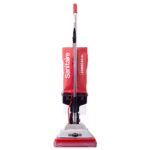
You can vacuum before our team arrives, or have our team vacuum your carpet. If you opt out of having us vacuum, we recommend doing it before arrival. We use Sanitaire vacuums in our rug-cleaning plant and on our trucks. The useful distinction when planning your visit is who will remove the dry soil, not whether the carpet looks visibly dusty.
To prepare an area yourself, pick up small objects first, then vacuum the carpet you want cleaned. Give extra attention to entryways, heavily used paths and places where pet hair collects. Keep vacuuming separate from stain treatment: repeated passes over a spot will not necessarily remove discoloration.
How to prepare the carpeted area
Clear toys, cords and other small items from the floor so the vacuum can reach the carpet.
Move lightweight furniture only if you can do so safely. Leave heavy pieces in place rather than risking injury or damage.
If you are doing the pre-cleaning vacuuming, cover the carpeted areas you want cleaned, including reachable edges and traffic paths.
Make a note of spills or spots you want to point out. A stain may need different attention from loose dust or hair.
Outdoor conditions can change the prep work. Wet weather may bring grit in near doors, while dry conditions can leave fine dust along traffic paths. Focus your vacuuming where that material actually collects rather than making the same number of passes everywhere.
What affects the work and your choice
Area size, access around furniture and the amount of loose debris affect how much vacuuming is needed. A small open room is simpler to cover than several furnished rooms with pet hair along the edges. If you are comparing cleaning options or costs, compare the same carpeted areas and account for whether you or the cleaning team will handle pre-vacuuming. Choosing to vacuum yourself should not be treated as a guaranteed price reduction.
The condition of the carpet also affects what you may see afterward. Removing dry soil can improve the starting point for cleaning, but vacuuming alone does not resolve an old stain. For a rug with delicate fibers, fringe or special care instructions, follow its care guidance instead of using the same vacuum setting you use on installed carpet.
Vacuuming after cleaning
Wait until the carpet feels completely dry before vacuuming again. Use a setting suited to its fibers, and avoid dragging a heavy vacuum over damp carpet. There is no need to use post-cleaning vacuuming as a substitute for the dry-soil removal done beforehand. Once dry, resume routine vacuuming to collect new dust, hair and tracked-in grit.
When you are ready to plan your cleaning, connect with UpFront Home Services and decide whether you will vacuum beforehand or have our team handle it.