Water Damage Restoration in West University, TX
Expert help when the unexpected happens.
Get water extraction and structural drying in West University, TX. Learn how we assess hidden moisture, what affects the work, and how to request a free estimate.
- IICRC certified
- Aggie owned
- Veteran founded


Water moves into subfloors, wall cavities and insulation long before you see it. We follow IICRC S500 drying protocols: moisture mapping with infrared imaging and calibrated meters, targeted extraction, then controlled drying with high-velocity air movers and low-grain refrigerant dehumidifiers until the materials read dry.
Everything to know before you book
Get free quote01
What we do when water enters your home
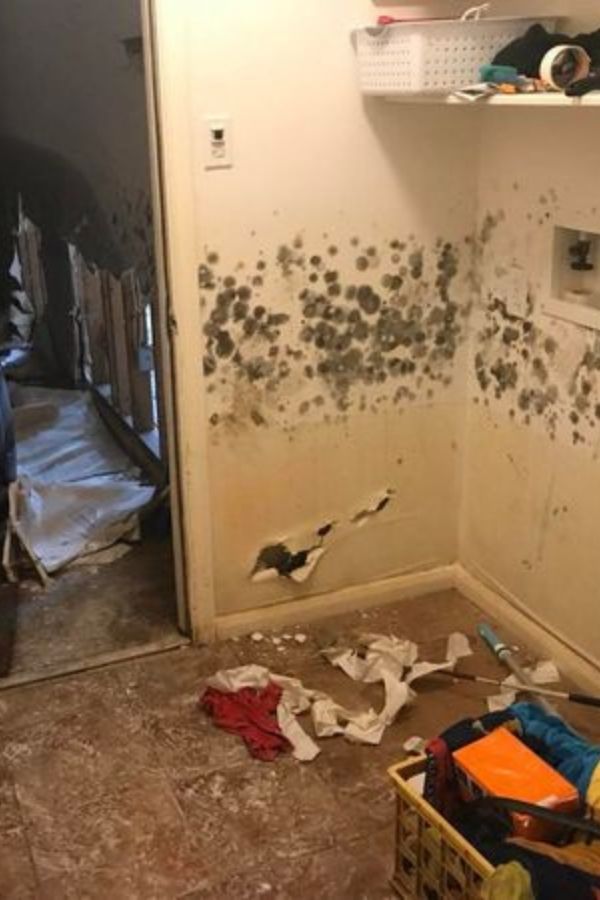
A burst pipe, appliance leak or storm can leave more than a visible puddle. Water can move into carpet padding, under flooring and behind drywall. We provide water extraction, moisture assessment and structural drying in West University, TX, with measurements that help us track moisture beyond the area you can see.
In West University’s humid conditions, prompt action matters: indoor air can slow drying while concealed moisture remains in wall cavities, insulation or subfloors. If you have standing water or a spreading damp area, call (832) 303-3546 to discuss the damage and request a free estimate.
02
What to do before restoration begins
If you can reach the shutoff safely, stop a plumbing or appliance water supply. Keep people and pets away from water near outlets, electrical equipment or a sagging ceiling, and do not enter an area that may contain sewage or floodwater. Move dry, portable items away from the affected area without walking through unsafe water. Photographs taken from a safe location can help you keep a record of the damage.
Do not rely on a dry-looking surface to judge the extent of a leak. Water from a kitchen or bathroom may travel under flooring or along a wall before a stain appears. Our inspection and drying process checks those less visible areas.
03
How we inspect, extract and dry affected areas
We assess the affected rooms and look for the moisture source when possible. Infrared imaging, moisture meters and humidity readings help us map visible and concealed moisture in materials such as drywall, flooring and framing.
We extract standing water and assess how far it has spread. The type of water matters: a supply-line leak, washer overflow and sewage exposure call for different handling.
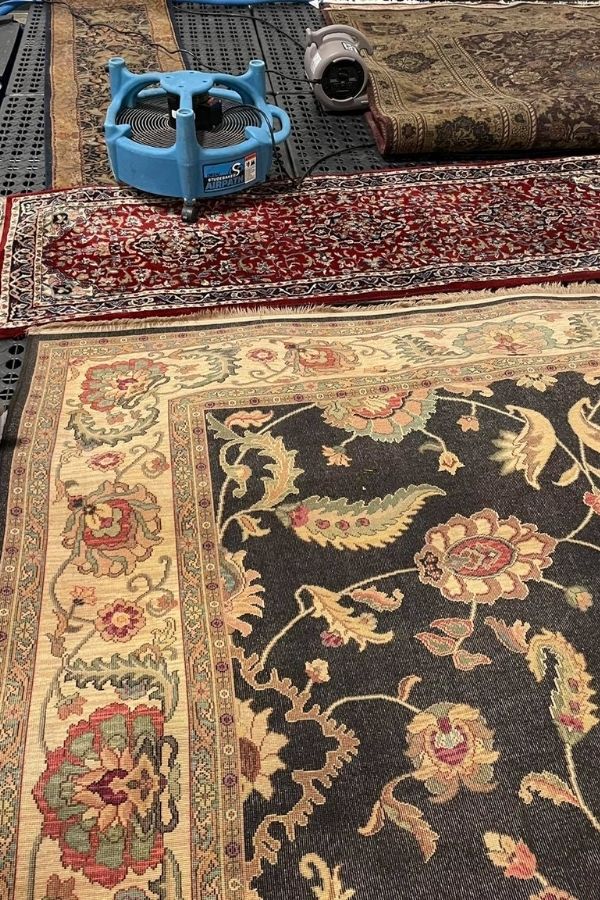
We set up controlled structural drying using high-velocity air movement and low-grain refrigerant dehumidification. Removing moisture from the air helps wet materials release moisture, particularly in humid weather.
We monitor moisture levels as drying proceeds and evaluate affected materials afterward. Readings in flooring systems, drywall and framing help guide when drying is complete and whether damaged material needs further attention.
Our drying and mitigation work follows IICRC S500-aligned protocols. A small, promptly addressed clean-water leak may call for less work than water that has reached insulation, multiple rooms or contaminated materials.
04
What affects results and the need for replacement
Water damage can often be mitigated, but drying does not make every material reusable. The water source, how long the material stayed wet and whether moisture is trapped beneath it all affect the decision. Drywall, baseboards, insulation or flooring exposed to prolonged saturation may need removal and replacement; a surface-level clean-water loss may need drying and minor repairs instead.
Belongings also need an item-by-item assessment. A hard, nonporous item and a deeply soaked upholstered item do not respond to water in the same way. Keep affected belongings available for documentation rather than discarding them before you have recorded the damage, provided they can be left in place safely.
05
What affects the cost of restoration in West University
The size of the wet area is only one cost factor. An estimate also depends on the amount of water to extract, whether moisture has reached wall cavities or subfloors, the water’s contamination level, the drying equipment and monitoring needed, and any material removal or later repairs. A leak confined to one accessible area is a different scope from stormwater that has entered several rooms.
We offer free estimates. When comparing providers, look for a clear distinction between extraction and drying, cleaning or treatment of affected materials, and any replacement work. That makes it easier to understand why two estimates for the same visible puddle may cover different tasks.
06
How to choose the next step
For a recent leak, prioritize stopping the source and assessing moisture beyond the visible edge. For floodwater or sewage, prioritize avoiding contact and identifying the contamination before ordinary cleanup begins. If a wall, floor or belonging remains wet after the standing water is gone, extraction alone will not resolve moisture held inside it.
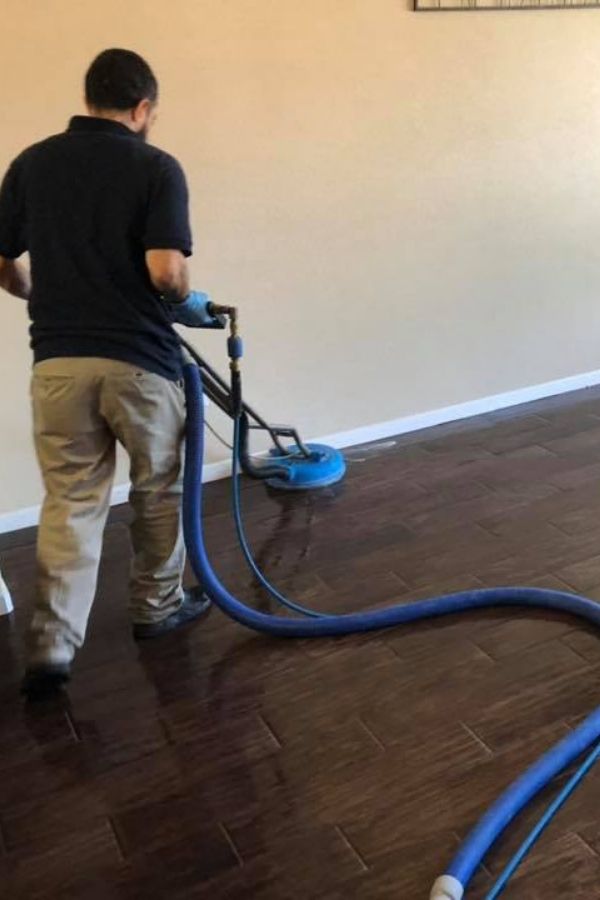
We handle water losses ranging from clean supply-line leaks to gray-water incidents and floodwater or sewage exposure, with protocols matched to the contamination level. We also offer carpet cleaning and wood floor cleaning for cleaning needs; cleaning an undamaged surface is different from drying a water-damaged structure. Call (832) 303-3546 for a free estimate for your West University home.
Serving West University and the neighborhoods around it
ZIP codes we cover in West University: 77005.
Based at 19911 Morton Rd in Katy. Same crew, same pricing, anywhere we serve.
More UpFront services in West University
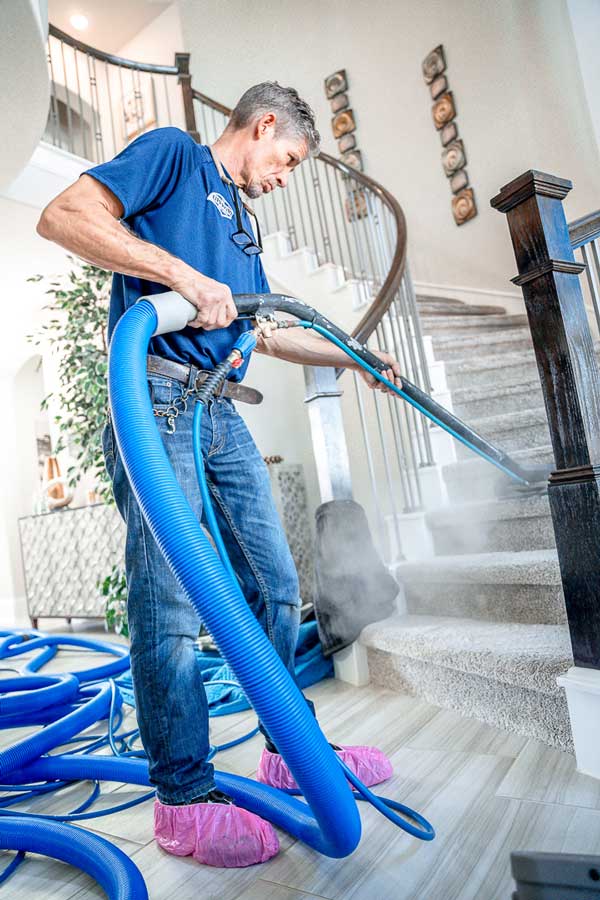
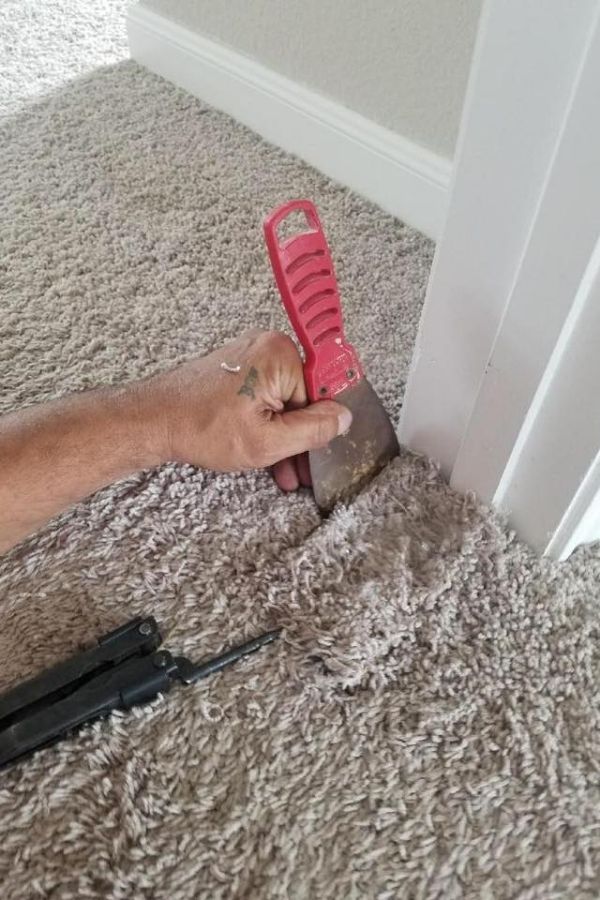
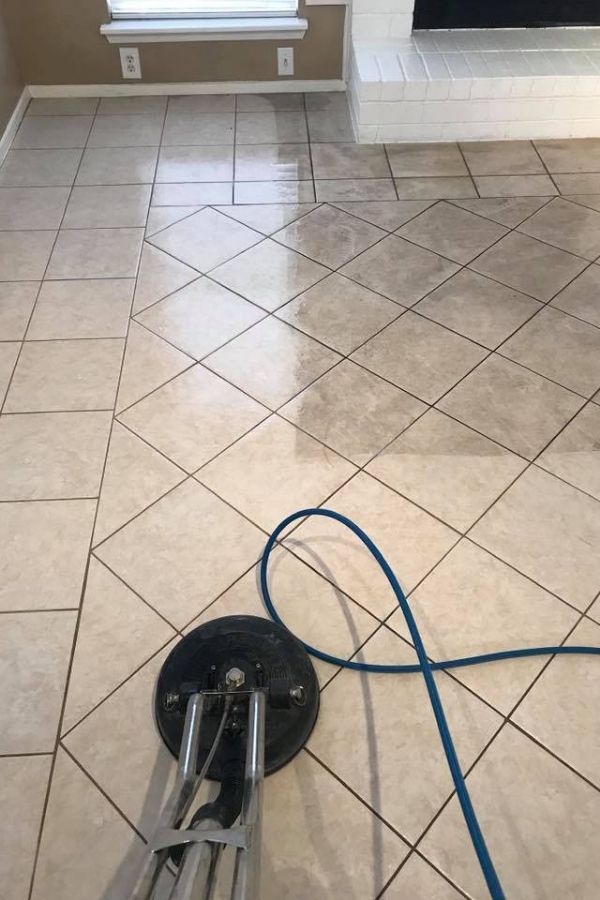
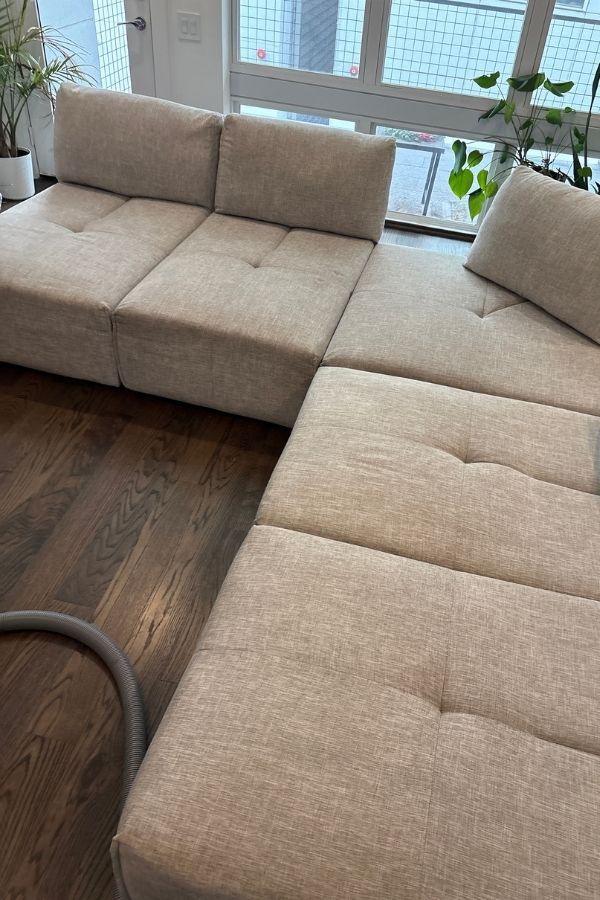
Water Damage Restoration in other communities we serve
For our West University service, restoration begins with a moisture assessment, followed by water extraction and controlled drying of affected building materials. We use moisture measurements during the work to check progress and evaluate materials afterward. The work changes with the incident: clean water from a supply line and contaminated water from a sewage backup require different precautions and treatment.
The timeline depends on how far water traveled, which materials absorbed it and how readily those materials release moisture. High indoor humidity or water trapped beneath flooring can extend drying even after a room looks dry. We use follow-up moisture readings, rather than appearance alone, to assess progress. If damaged drywall, insulation or flooring needs replacement, that work adds time beyond extraction and drying.
Often, yes. Prompt extraction and drying can limit damage from a clean-water leak, but some materials cannot be saved after prolonged saturation or contamination. Drywall, flooring and insulation are evaluated according to their condition and moisture levels; belongings require a separate assessment based on material and exposure. Restoration may therefore mean drying some items while removing or replacing others, rather than preserving everything that got wet.
Coverage depends on your policy, the cause of the water and any exclusions or endorsements. A sudden plumbing failure may be treated differently from flooding or a long-running leak. Record the source and visible damage when it is safe to do so, then review your policy and contact your insurer about claim requirements. A restoration estimate describes proposed work; it does not determine what an insurer will pay.
Put safety first. Avoid water near electrical hazards and stay out of areas affected by sewage or floodwater. If it is safe, shut off the leaking supply, then photograph affected areas and move dry, portable belongings away from the water. Arrange an assessment promptly: moisture can continue spreading into padding, walls and subfloors after the original leak stops, especially during humid weather.
We handle contaminated water losses, including sewage exposure and floodwater intrusion, using containment, sanitation and drying protocols appropriate to the water category. Avoid touching or tracking that water through the home. Our moisture-control work is intended to reduce conditions that favor microbial growth; mold testing and remediation are distinct from identifying and drying wet materials. Existing suspected mold may require a separate assessment.
We respond to water emergencies in West University and provide water extraction and structural drying for incidents such as burst pipes, appliance leaks and storm damage. Start by stopping the source if it is safe, then call (832) 303-3546 to describe the affected rooms and water source. The appropriate work depends on what the moisture assessment finds, including any water hidden beneath flooring or inside walls.
Water damage should be addressed immediately, ideally within the first 24-48 hours. In West University’s warm, humid climate, moisture can accelerate microbial growth and material degradation rapidly, especially within carpet padding, drywall, and subflooring. Delayed mitigation increases both restoration complexity and reconstruction costs.
We perform a full moisture assessment using infrared thermography, penetrating and non-penetrating moisture meters, and hygrometric readings. This allows us to identify both visible saturation and hidden moisture within wall cavities, insulation, baseplates, and flooring systems that are common in slab-on-grade homes throughout West University.
We handle all categories of water loss: Category 1 (Clean Water): supply line leaks, appliance failures Category 2 (Gray Water): washer overflows, minor contamination Category 3 (Black Water): floodwater intrusion or sewage exposure Each category requires different containment, sanitation, and drying protocols based on contamination levels.
We control mold risk through rapid extraction, targeted dehumidification, and maintaining vapor pressure equilibrium below dew point thresholds. In Category 2 or 3 losses, we apply EPA-registered antimicrobial treatments to affected materials. Continuous monitoring ensures moisture content remains below levels conducive to fungal colonization, which is critical in West University’s high-humidity environment.
It depends on the severity and duration of exposure. Surface-level Category 1 losses may only require drying and minor repairs, while prolonged saturation can require removal and replacement of drywall, baseboards, insulation, or flooring systems. We always evaluate materials post-drying to determine what can be safely restored versus replaced.
What Houston homeowners say
4.9 on Google from 4,144 reviews
WOW! exceptional! worked a few miracles! 5 stars! highly recommend!
Very responsive and did a great job
Awesome cleaning and wonderful employee!!
Great service! Very professional! Definitely recommend
Kaylen was very professional and timely. He did a great job and our carpeting looks great! I would highly recommend him and UpFront Services.
UpFront did a great job! We have a 20 year old carpet in the large game room above our garage that is 20 years old. Rory cleaned it and the carpeted stairs, and it looks brand new! Thank you!